
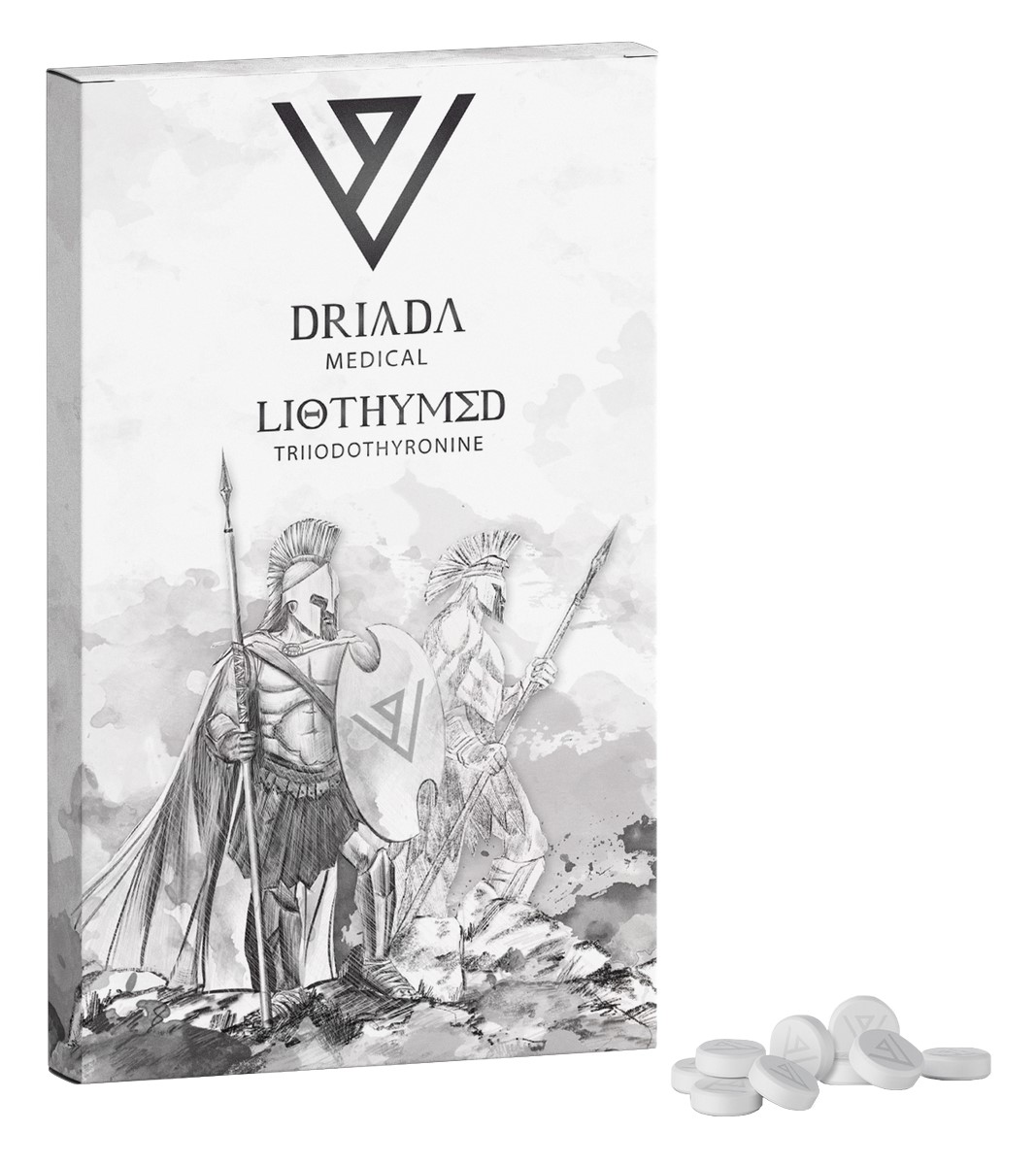
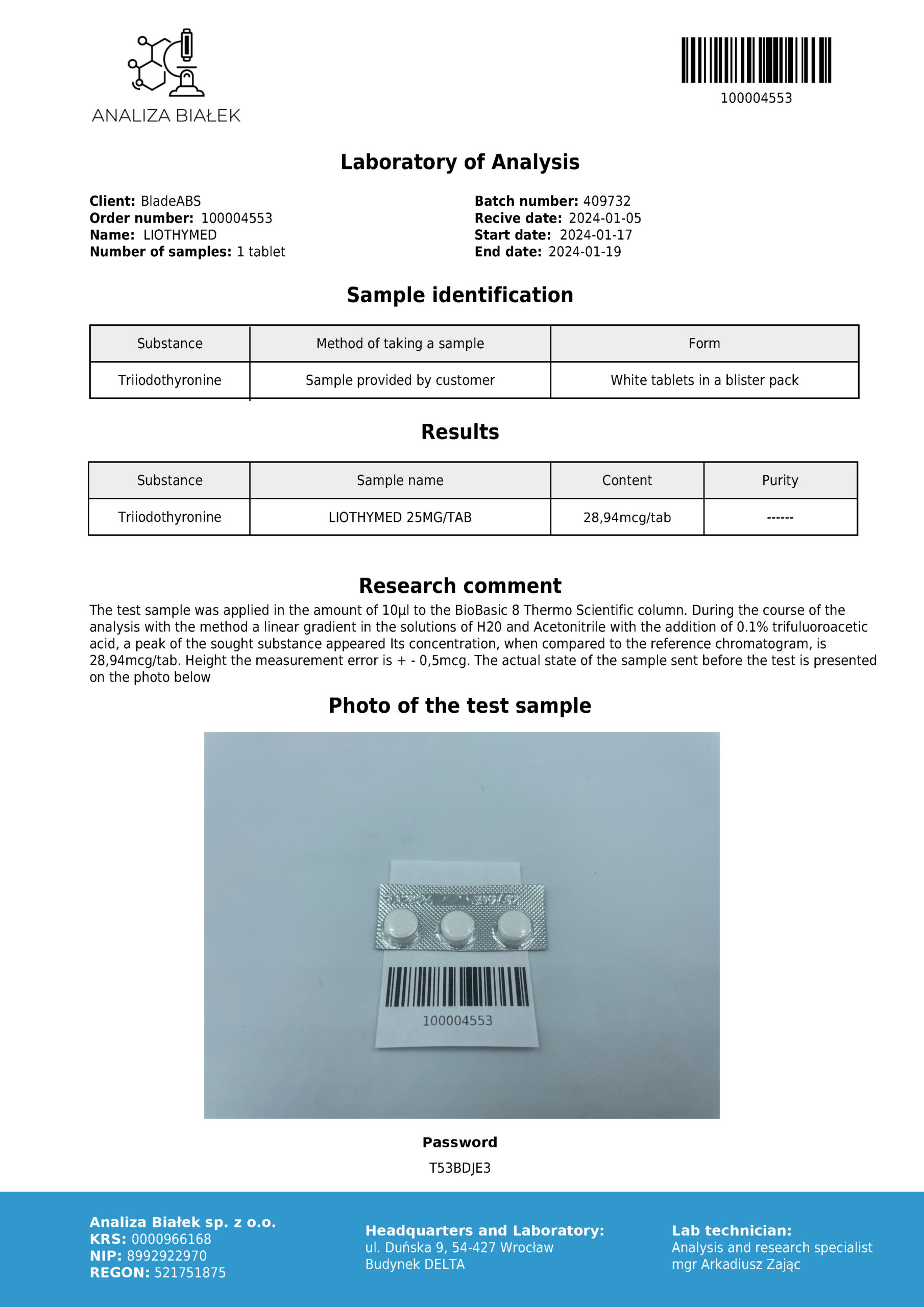
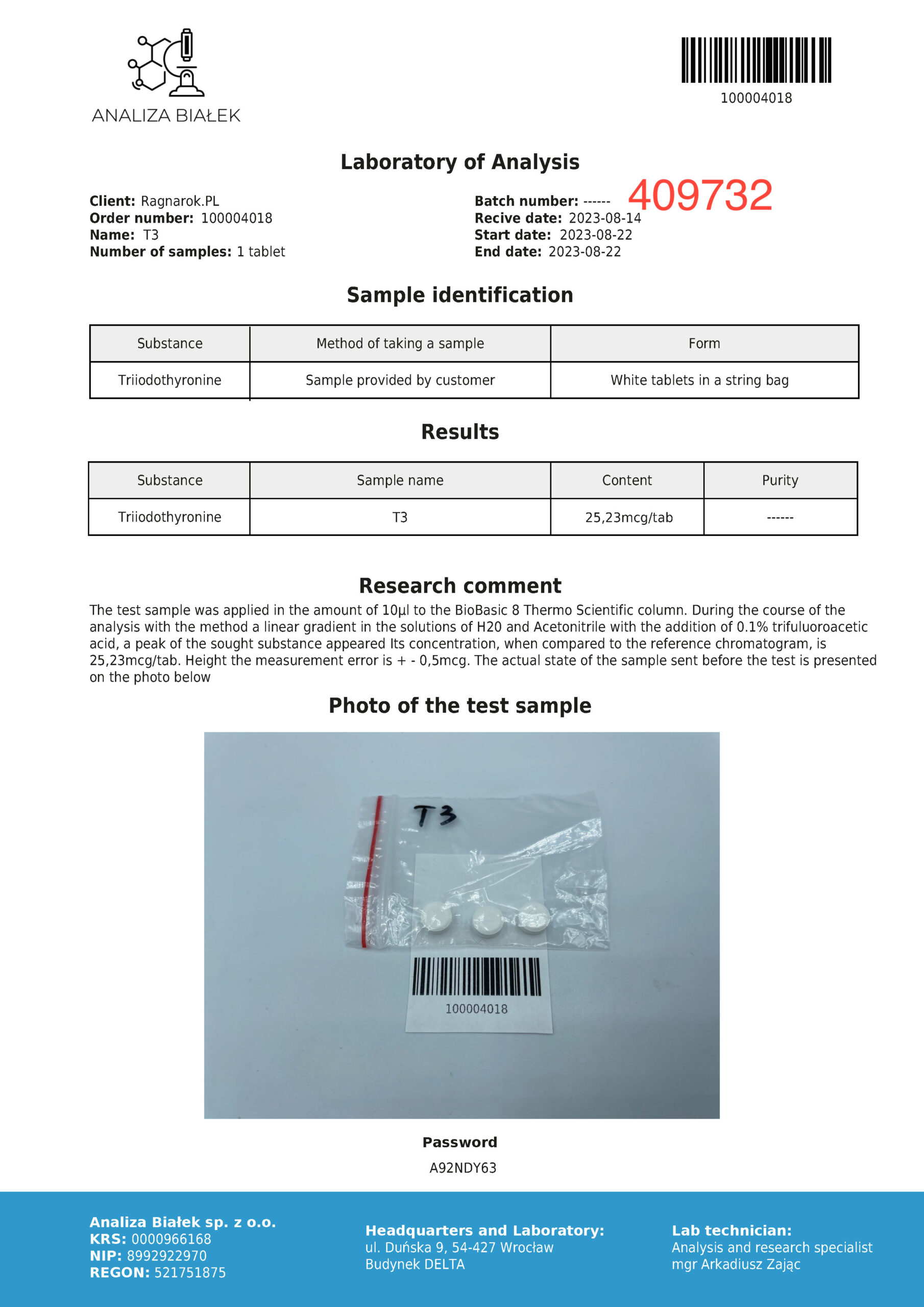
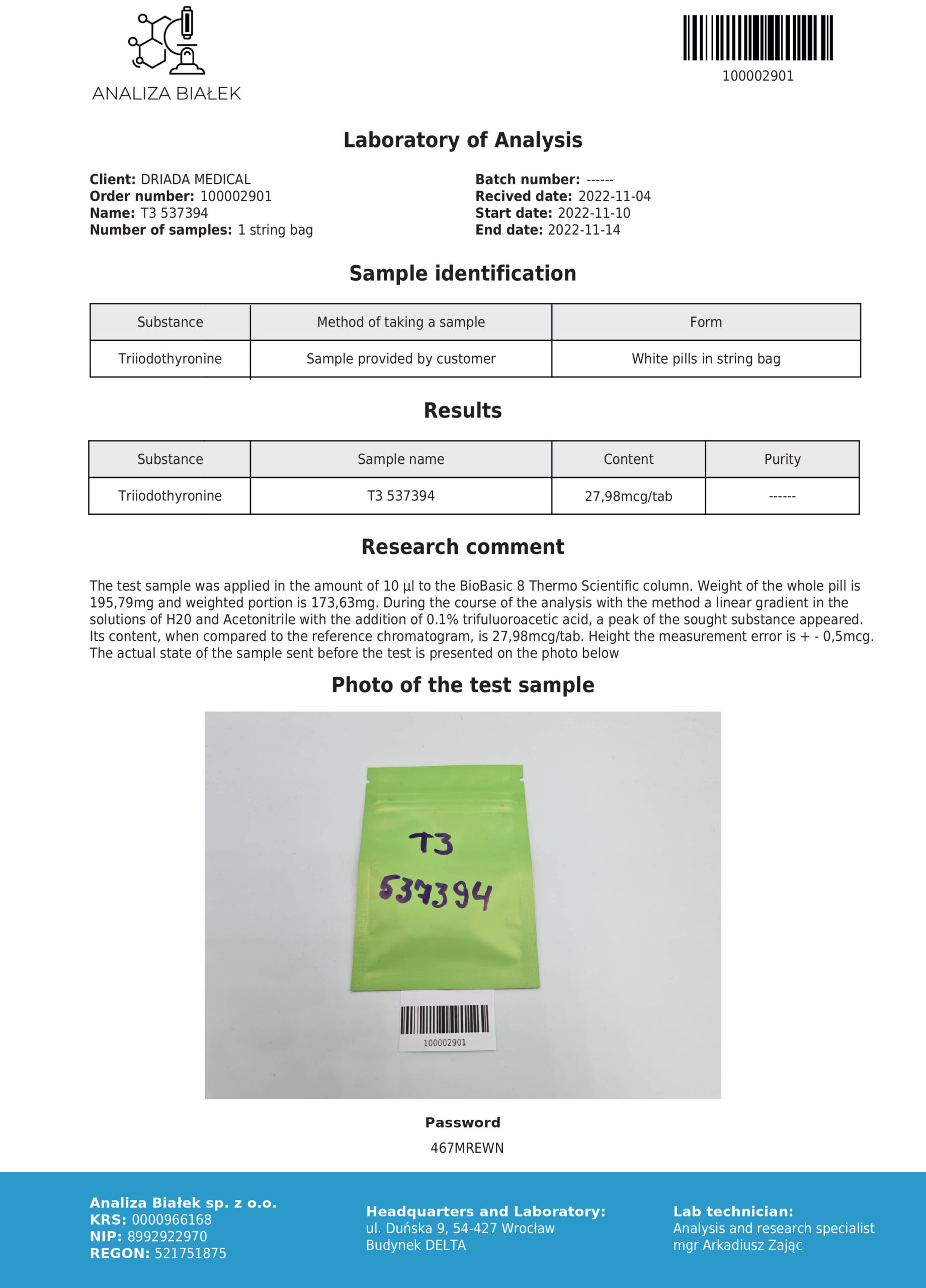
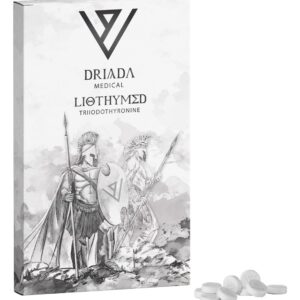
Liothymed 25 mcg (T3 – Triiodothyronine)
Triiodothyronine Profile
Active ingredients: Triiodothyronine (T3) Liothymed 25 mcg tablets
Category: thyroid hormones
Dosage form: oral tablets
Packaging: 100 Tablets
- Spedizione (se il prodotto è in stock): 3 giorni lavorativi di processing e dai 5 ai 20 giorni lavorativi di spedizione
- Spese di Processing e spedizione: 27€ in tutta Italia
Understanding Triiodothyronine
The triiodothyronine (T3) It is the most metabolically active thyroid hormone produced by the thyroid gland. The thyroid plays a central role in regulating numerous physiological processes, particularly energy metabolism. A distinctive feature of thyroid hormones, including T3, is the presence of iodine, an element essential for the proper development of the body and for metabolic balance.
The T3 molecule reaches nearly all bodily tissues to control energy use and metabolic speed. Childhood nervous system development depends on it, while mature bodies rely on it for stability.
Thyroid glands store large amounts of hormones. Thyroxine (T4) serves as the primary output before peripheral tissues convert it into triiodothyronine (T3) inside organs, nervous tissue, and skeletal muscle. The anterior pituitary gland controls hormone output through TSH via feedback loops.
Primary Actions
-
Modulating the basal metabolic rate
-
Speeding up fat breakdown
-
Raising energy output
-
Backing physical exertion
-
Retaining muscle tissue alongside anabolic support
Cellular Pathway
The T3 It acts at the cellular level by binding to thyroid hormone receptors (THR) located in the cell nucleus. These receptors function as transcription factors, regulating the expression of genes involved in energy metabolism.
Observed biological responses include:
-
Increase in basal metabolic rate (BMR): higher oxygen uptake and ATP synthesis
-
Stimulation of lipolysis: breakdown of triglycerides into free fatty acids
-
Thermogenesis: raised heat output within brown fat deposits
-
Enhancement of oxidative phosphorylation: larger and more active mitochondrial counts
Primary Uses
Fat Loss
The triiodothyronine (T3) compound raises energy burn during weight management protocols. It pairs with other agents for body conditioning rather than working alone.
Hypothyroidism
Doctors use T3 when T4 treatment fails or tissue conversion drops.
Cognitive Functions and Attention
Stable T3 levels correlate with sharper focus and processing speed.
Support for Mood Disorders
Medical studies test triiodothyronine alongside standard care for difficult depression cases.
Administration Protocol
-
Initial intake: 25 mcg per day
-
Stepwise increases of 25 mcg every 5 to 6 days
-
Ceiling intake: 100 mcg per day
-
Ramp schedule (25 to 50 to 75 to 100 to 75 to 50 to 25)
-
Cycle length: 5 to 6 weeks, followed by 6 weeks off
Required Testing
-
TSH, FT3, FT4
-
Lipid panels
-
Blood cell counts
-
Pulse and blood pressure readings
Side Effects
-
Fast heart rate and chest flutters
-
Heavy sweating and heat distress
-
Hand tremors
-
Stomach upset
-
Muscle loss without protective support
Safety Rules
Improper use of the T3 (triiodothyronine) It can cause cardiovascular effects, loss of muscle mass, changes in blood sugar levels, and a decrease in bone density. It is essential to follow the proper dosages and cycles.
Exclusions
-
Active thyrotoxicosis
-
Recent heart attacks
-
Unstable cardiac disease
Storage Conditions
-
Keep away from children
-
Store in dry, cool spaces.
-
Keep at room temperature
-
Discard past printed expiration dates
You must be logged in to post a review.
Related products
-
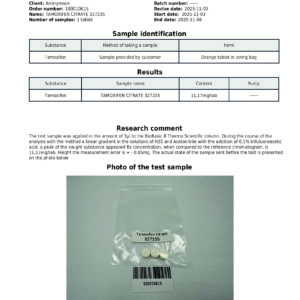
Nolvados 10 mg (Tamoxifen Citrate) – Nolvadex
Original price was: 28 €.25 €Current price is: 25 €. -
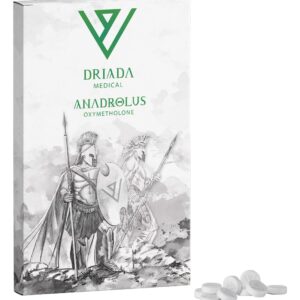
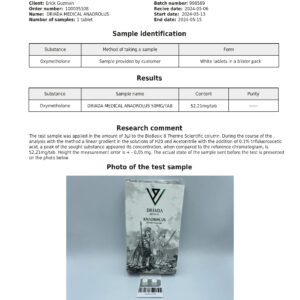
Anadrolus 50 mg – Oxymetholone – Anadrol
Original price was: 39 €.35 €Current price is: 35 €. -
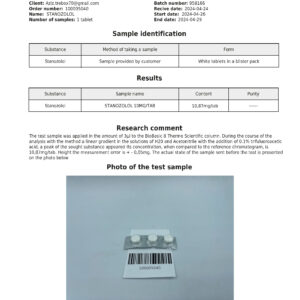
Stanos 10 mg Stanozolol, oral Winstrol
Original price was: 34 €.31 €Current price is: 31 €. -
Boldelad 250 mg/ml (Boldenone Undecylenate-EQ)
Original price was: 45 €.41 €Current price is: 41 €. -
Ipamorelin 2mg – Peptide for natural GH release
Original price was: 27 €.23 €Current price is: 23 €.







Reviews
There are no reviews yet.