Metabolism and body composition topics require care. People searching for items labeled Fat Burners desire fast changes, yet reality demands patience. This sector holds diverse options. Certain items involve simple dietary additions, others use active compounds, and specific options require careful handling due to their physical effects.
For this reason, this page should be consulted with an informed approach. It’s not enough to read a brief description or compare products based on popularity. It’s important to understand the role each substance can play, what limitations exist, and why medical supervision remains essential when it comes to metabolism, body weight, and overall health.
Before choosing a fat burner, you need the full picture
A product associated with reducing body fat does not act in a vacuum. Diet, exercise, sleep, stress, medications, hormones, and personal health conditions can strongly influence results and tolerability.
Key evaluation points:
personal health status;
heart rhythm and blood sugar checks;
current prescription drugs;
realistic training targets;
sport regulations.
These checks stop choices driven by weight loss urgency.
Fat-burning formulas vary greatly.
The term Fat Burner describes many different substances. Ingredients range from daily supplements to clinical peptides and active hormones. Certain items apply to sports training, while others treat medical conditions instead of simple appearance goals.
Responsible reading follows three distinct actions:
learn the exact product classification;
treat descriptions as facts rather than prescriptions;
consult a doctor before starting any regimen.
A Healthier Approach to Physical Fitness
Weight management should not depend solely on a single substance. A serious approach includes nutrition, exercise, recovery, analysis, and measurable goals. This category can provide an informative overview, but safety always remains the top priority.
Being well-informed means making clearer choices, avoiding risky shortcuts, and respecting your body in the long term.
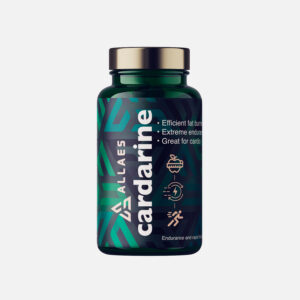
Allaes cardarina 10 mg (GW 501516) Active ingredient: the GW 501516 (Cardarina) Category: the PPARδ agonist (Peroxisome Proliferator-Activated Receptor Delta) Dosage Form: the Oral Dosage per unit: the 10 mg per unit
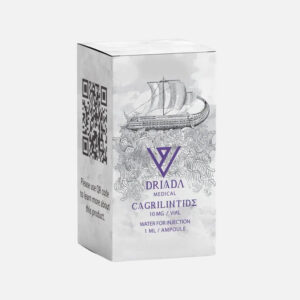
Composition: Cagrilintide 10 mg Class: Peptide Directions for Use: support for weight loss and appetite control Dosage form: vial containing 10 mg of lyophilized powder with a separate 1-mL vial of water for injection Route of administration: subcutaneous injection
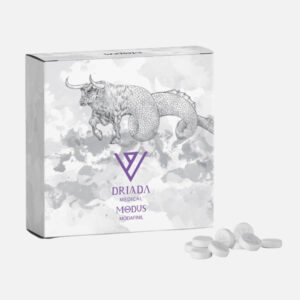
Composition: Modafinil 100 mg Category: A nootropic that promotes wakefulness Directions: support for cognitive performance, reduction of mental fatigue, improvement in concentration and alertness Dosage form: tablets Route of administration: oral Packaging: 100 mg 100 mg / 20 tablets
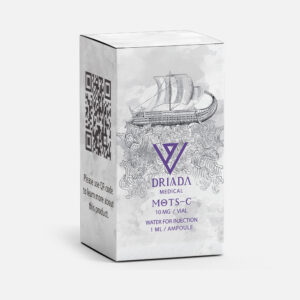
MOTS-C – Peptide for blood sugar and metabolism control
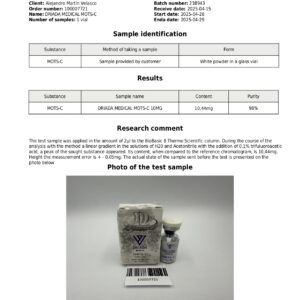
Category: Peptide Purpose: Supports metabolism, boosts energy, promotes longevity, and helps reduce body fat Dosage form: Vial containing 10 mg of lyophilized powder + 1-ml vial of water for injection for reconstitution Administration: Subcutaneous injections
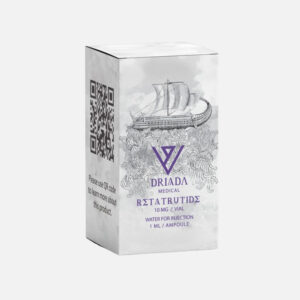
When we supply retatrutide 10mg, researchers receive a next-generation peptide designed to act on multiple metabolic pathways. It offers advanced support for weight management and appetite regulation.
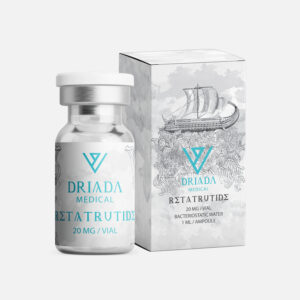
Retatrutide 20 mg works through triple receptor agonism affecting GLP-1, GIP, and glucagon. It targets appetite control, increases basal energy expenditure, and reduces adipose tissue while protecting lean mass. It comes in a pure lyophilized vial that requires reconstitution, with an authenticity guarantee. FIG Farma and Driada.
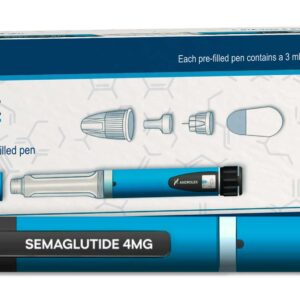
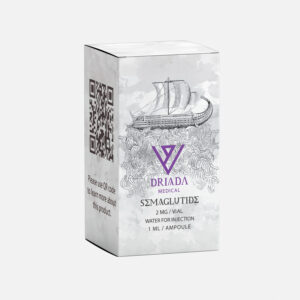
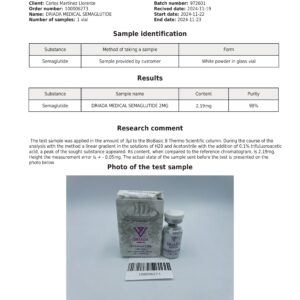
Composition: semiglutide 2 mg Category: Peptide Directions: Body Weight Control and Appetite Regulation Dosage form: Vial containing 2 mg of lyophilized powder, with a separate 1-ml vial of water for injection, intended for reconstitution Route of administration: Subcutaneous injection