
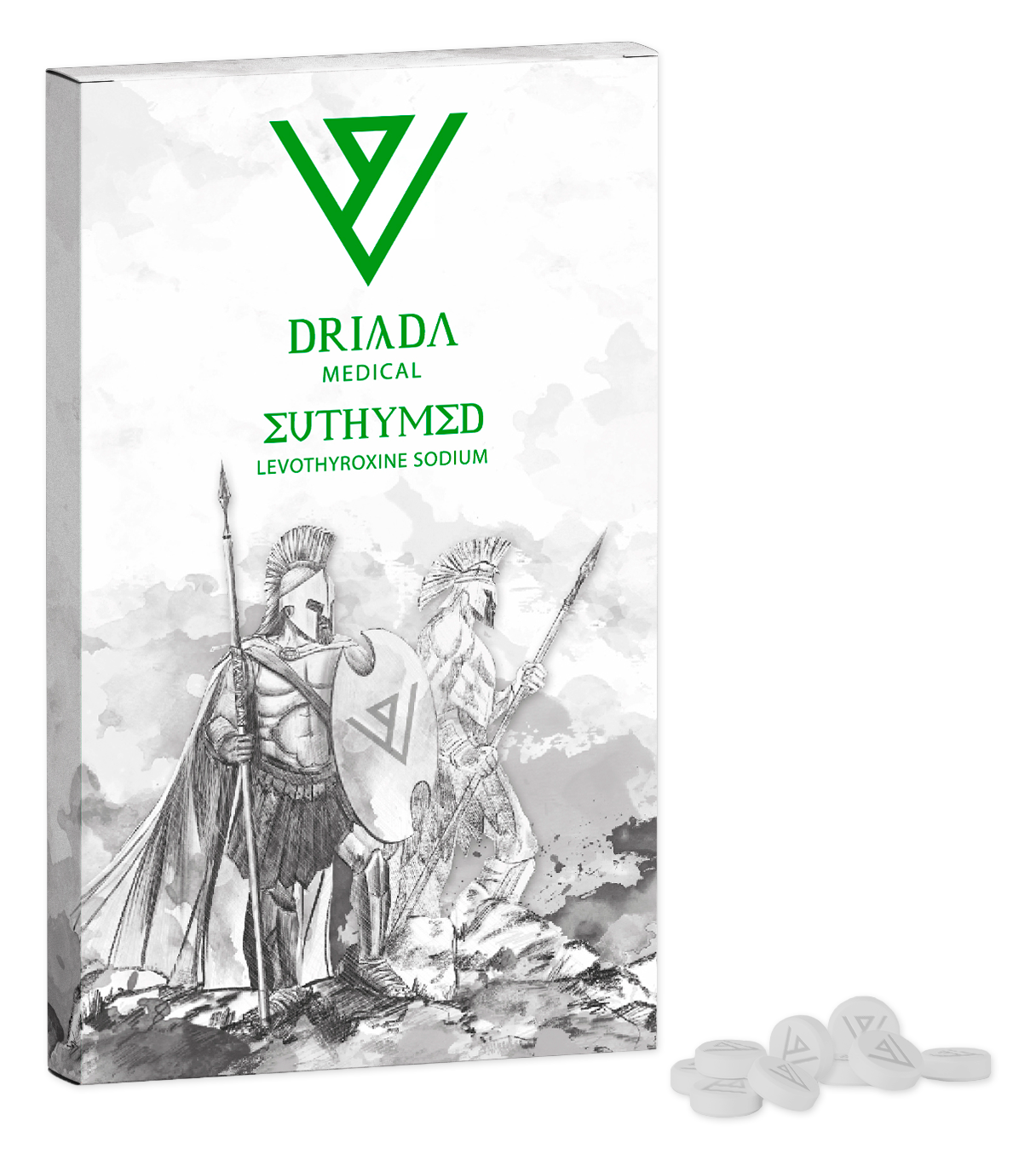
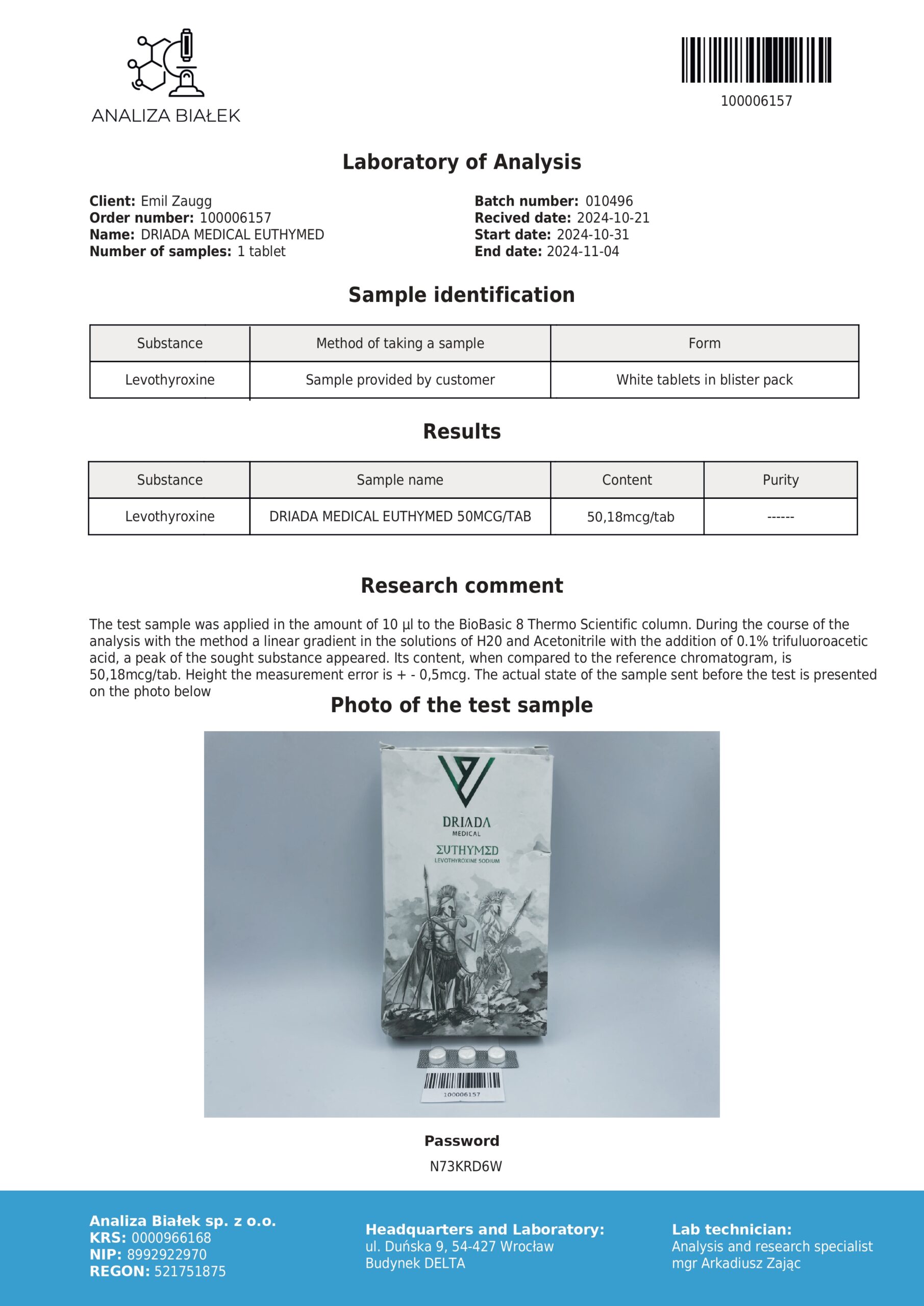
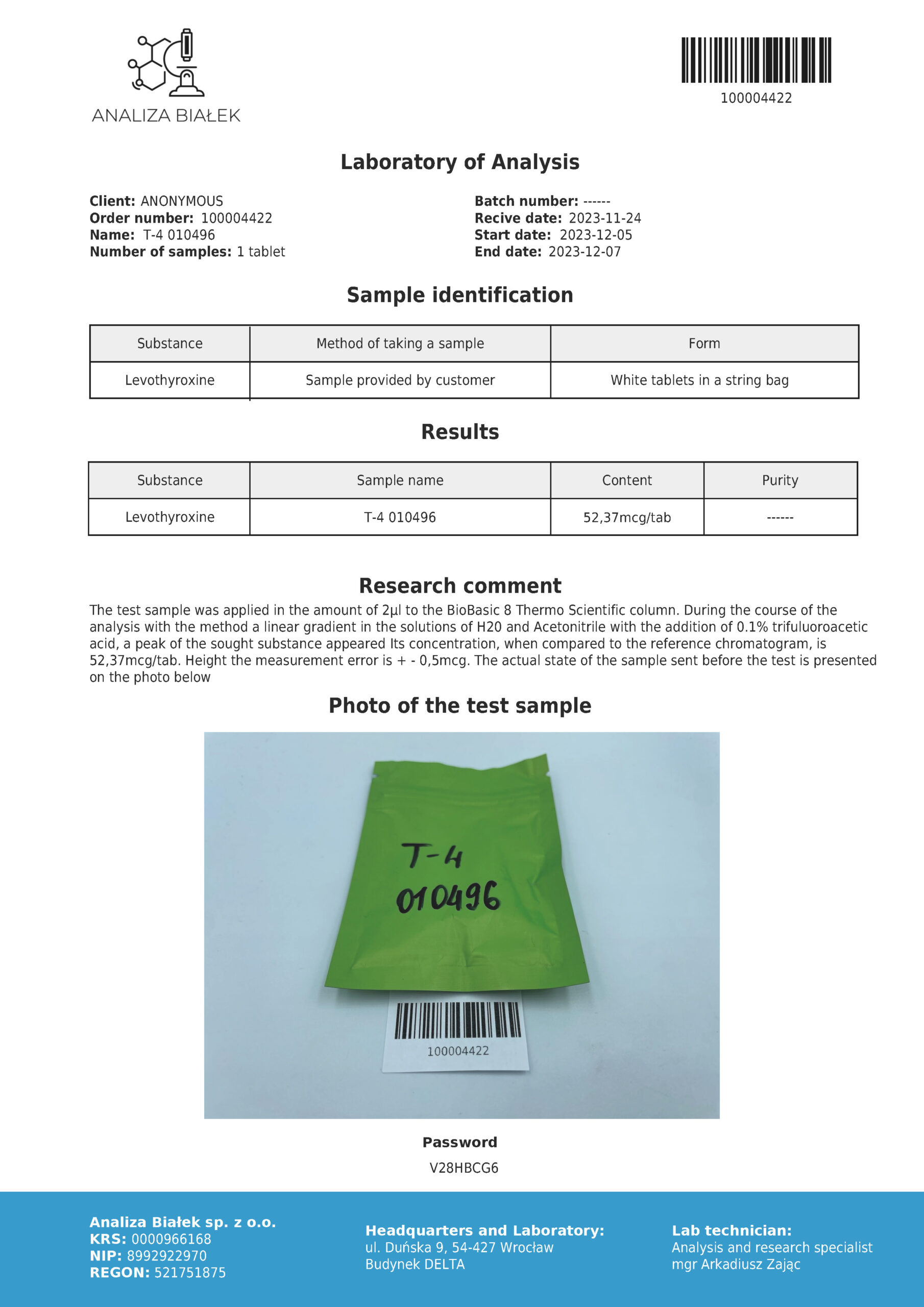
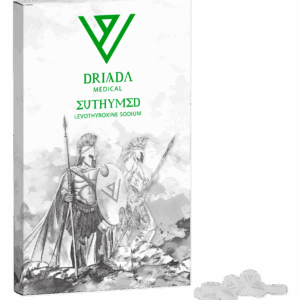
T4 Euthymed 50 mcg (Levothyroxine Sodium) Thyroxine
T4 Eutirox and Thyroxine
- Active ingredient: levothyroxine sodium (T4) as thyroxine
- Type: Thyroid hormone
- Form: Oral tablets
- Packaging: 50 mcg per tablet in packs of 100 tablets
- Spedizione (se il prodotto è in stock): 3 giorni lavorativi di processing e dai 5 ai 20 giorni lavorativi di spedizione
- Spese di Processing e spedizione: 27€ in tutta Italia
Overview of the compound
The Levothyroxine name is a short designation for thyroxine (T4), a hormone made by the thyroid gland. Peripheral tissues convert this thyroxine into its active form, L-triiodothyronine (T3). Both hormones interact with specific cell receptors to control gene expression, metabolic rate, and organ function throughout the body.
Chemically, levothyroxine is a chiral molecule matching the The configuration of natural thyroxine, which matches the biological activity of endogenous hormone.
Primary indications
The Levothyroxine treats hypothyroidism. Levothyroxine sodium replaces or supplements the thyroxine (T4) which the thyroid is unable to produce in sufficient quantities.
Hormone deficiency arises from specific causes:
-
autoimmune diseases (e.g., Hashimoto’s thyroiditis)
-
surgical removal of the thyroid gland
-
radioactive iodine treatments
-
damage caused by drugs or radiation
Levothyroxine is also known as L-thyroxine or T4
Impact on metabolism and physical activity
Metabolic balance
By restoring hormone levels, Levothyroxine brings the basal metabolic rate back to normal, supporting daily energy turnover and body weight management.
Energy restoration
Normal thyroid activity restores physical stamina, endurance, and training capacity.
Muscle repair
Thyroxine assists with protein synthesis and muscle recovery during periods of physical rest.
Weight regulation
By regulating metabolism, Levothyroxine helps maintain a stable body weight, which is crucial for both aesthetic and performance goals.
Activity stability
Stable thyroxine levels ensure continuity in physical and cognitive performance, which is essential for athletes and individuals with high energy requirements.
Combined use with growth hormone (HGH)
Athletes taking human growth hormone (HGH) often need T4 (Levothyroxine) supplementation. Growth hormone accelerates the conversion of thyroxine to T3, which creates a temporary hormone deficit.
Administration guidelines
The Levothyroxine must be taken at on an empty stomach, ideally 30–60 minutes before meals, to maximize intestinal absorption. The tablet should be taken with a glass of water.
Dosage is calculated based on:
-
age
-
body weight
-
clinical condition
-
individual response
-
therapeutic adherence
The maximum dose reaches 300–400 mcg per day, though doctors prescribe this amount only in rare cases.
Usage instructions
Typical schedule:
-
initial dose: 25–50 mcg per day
-
gradual increase in 25–50 mcg every 5–6 days
-
average dose: 100–200 mcg per day
Titration prevents shock. Cycles last up to 5–7 weeks with a 6 weeks break.
Athletes sometimes combine levothyroxine with other compounds, which demands careful medical oversight.
Pharmacokinetics
-
Oral absorption: 40–80%
-
Primary site of absorption: jejunum and proximal ileum
-
Factors that reduce absorption: food, age, certain medical conditions, and substances
Half-life of thyroxine:
-
6–7 days in euthyroid subjects
-
9–10 days in hypothyroidism
-
3–4 days in hyperthyroidism
About 80% of thyroxine leaves the body through the kidneys, while the remaining 20% exits via the bowel.
Primary physiological effects
-
metabolism regulation
-
increased fat burning
-
support for anabolic processes
-
stimulation of the central nervous system
Adverse reactions
Side effects stem from excessive doses and include:
-
excessive weight loss
-
heat intolerance
-
sweating
-
anxiety and insomnia
-
tremors
-
tachycardia
Acute overdose causes severe fever, low blood sugar, heart failure, coma, and adrenal crisis.
Safety precautions
Prolonged use of high doses of Levothyroxine It can suppress the body’s natural production of thyroid hormones. Normal function returns quickly.
Thyroxine has effects similar to adrenaline, such as increased heart rate and nervousness, which can sometimes be mitigated with beta-blockers under medical supervision.
Contraindications
Levothyroxine is contraindicated in cases of:
-
hypersensitivity to the active ingredient
-
acute myocardial infarction
-
Untreated thyrotoxicosis
-
uncorrected adrenal insufficiency
Drug interactions
Substances that reduce thyroxine absorption:
-
calcium and iron (within 4 hours)
-
soy (within 3 hours)
-
antacids containing aluminum or magnesium
-
cholestyramine, colestipol, sucralfate
Other relevant interactions:
-
ketamine leads to tachycardia and high blood pressure
-
tricyclic antidepressants raise toxicity risks
-
lithium interferes with thyroid metabolism
Special warnings
In individuals over 50 years of age or with long-term hypothyroidism, levothyroxine should be introduced gradually. In patients at risk of adrenal insufficiency, corticosteroid coverage is recommended before starting therapy.
Thyroxine may increase the need for insulin or antidiabetic medications. Bone loss results from excessive thyroid hormones. The dosage must be adjusted to the effective minimum.
Storage conditions
-
Store at room temperature
-
Store in a cool, dry place.
-
Protect from direct light
-
Keep out of reach of children
-
Do not use after the expiration date
You must be logged in to post a review.
Related products
-
PT-141 10mg – Bremelanotide – Peptide
Original price was: 30 €.28 €Current price is: 28 €. -
Nanphenylos 100 mg/ml (Nandrolone Phenylpropionate-NPP)
Original price was: 37 €.34 €Current price is: 34 €. -
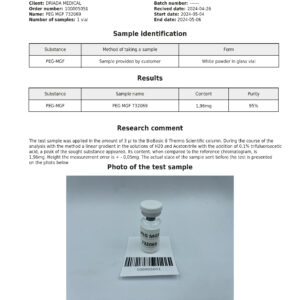
PEG-MGF 2mg – Peptide
Original price was: 34 €.32 €Current price is: 32 €. -
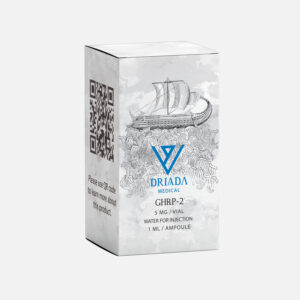
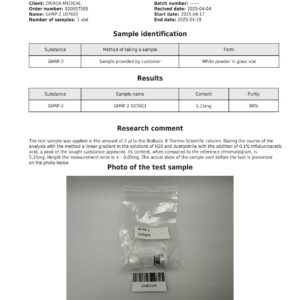
GHRP-2 5mg – GH-releasing peptide
Original price was: 29 €.25 €Current price is: 25 €. -
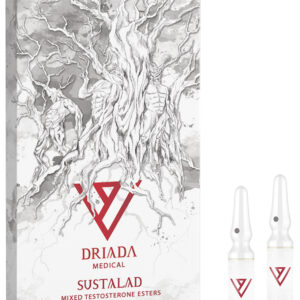
Sustalad 250 mg/ml (Sustanon 250)
Original price was: 42 €.39,99 €Current price is: 39,99 €.



Reviews
There are no reviews yet.