In this article from our Steroids Blog Let’s tackle a topic that’s in high demand but also very sensitive: the post-cycle therapy or PCT (Post-Cycle Therapy). Unfortunately, this is a very specific and detailed topic, and a single blog post certainly isn’t enough to cover everything, but we’ll try to explain the main points in a simple yet effective way.
PCT and Hormone Recovery Needs
To understand post cycle therapy, we examine how synthetic compounds alter natural chemistry.
If, for example, we take some testosterone enanthate When we take exogenous testosterone, our receptors signal to the brain that there is a high level of testosterone in our plasma, and the brain then tells our body to stop producing endogenous (internally produced) testosterone. In fact, as long as testosterone levels (and this applies to many other hormones in our body) remain high in our metabolism (due to external intake), our body will stop producing natural testosterone. Once external (or exogenous) intake is stopped, our body will still be “in a state of suspension”; our natural testosterone will struggle to be produced, while the testosterone we had taken externally will quickly leave our body, resulting in very low testosterone levels in our plasma… and all the negative consequences that follow.
To prevent this period of low testosterone from lasting too long, we must necessarily resort to PCT or Post Cycle Therapy, which is nothing more than the targeted intake of certain types of drugs that promote the natural production of testosterone or any other hormone. In PCT, we also tend to take drugs to improve the overall health of our metabolism and to improve the functioning of receptors that have been “clogged” by weeks of cycling.
So if you don’t want to risk having extremely low testosterone levels for a long time (or, depending on your cycles, for the rest of your life) and feeling miserable and tired for months on end, I’d say that PCT after ANY cycle It is strongly recommended. Every steroid (including Deca Durabolin, EQ but also simple oral exercises such as Anavar) has its own shutdown level (the mechanism that blocks natural testosterone production), so PCT is always the best solution, no matter what.
Blast and Cruise Considerations
For those who don’t know, the Blast and Cruise It’s a very specific way of taking steroids (it’s almost a philosophy) that ONLY some high-level competitive athletes follow. Basically, when they’re preparing for a competition, they use very intense and complex cycles, and between cycles they limit themselves to taking lower levels of testosterone and often other anabolic steroids as well. In essence, they never actually come off a full cycle. This is a lifestyle choice: in fact, for those who follow the “blast and cruise” approach for many years, it becomes a problem—PCT is no longer sufficient, and their bodies effectively stop producing testosterone (practically for life), making it necessary to undergo TRT (testosterone replacement therapy) for the rest of their lives. If you aren’t extremely experienced athletes, if you don’t know exactly what to do DON’T BLAST AND CRUISE and just do Cycle and PCT.
Structuring Recovery Protocols
“Bro Science” (theories passed down from one generation of gym-goers to the next, and from gym to gym, sometimes effective, sometimes pure myth) says that PCT should be started X days after the last injection of the cycle, where the variable X is the half-life of the longest ester used in the cycle. For example, if your cycle was based on Testosterone Enanthate, which has a half-life of 7-8 days, you should start PCT after 7-8 days.
Protocol Components Explained
“Bro Science” also claims that it is necessary to take Nolvadex (tamoxifen) and Clomid (clomiphene), and if the cycle has been very long or particularly intense, it is also advisable to take HCG (human chorionic gonadotropin).
Blood tests at the conclusion of a cycle check complete blood counts and hormone markers. Certain values peak before dropping, and reviewing these numbers guides your recovery timeline.
First and foremost, it is important to have blood tests done at the end of the cycle. It is important to check blood count values and hormone levels. Many values will be completely off, some values (such as testosterone) will be sky-high at the end of the cycle but will soon plummet, and generally many things will need to be fixed, while many will probably fix themselves simply with a little time.
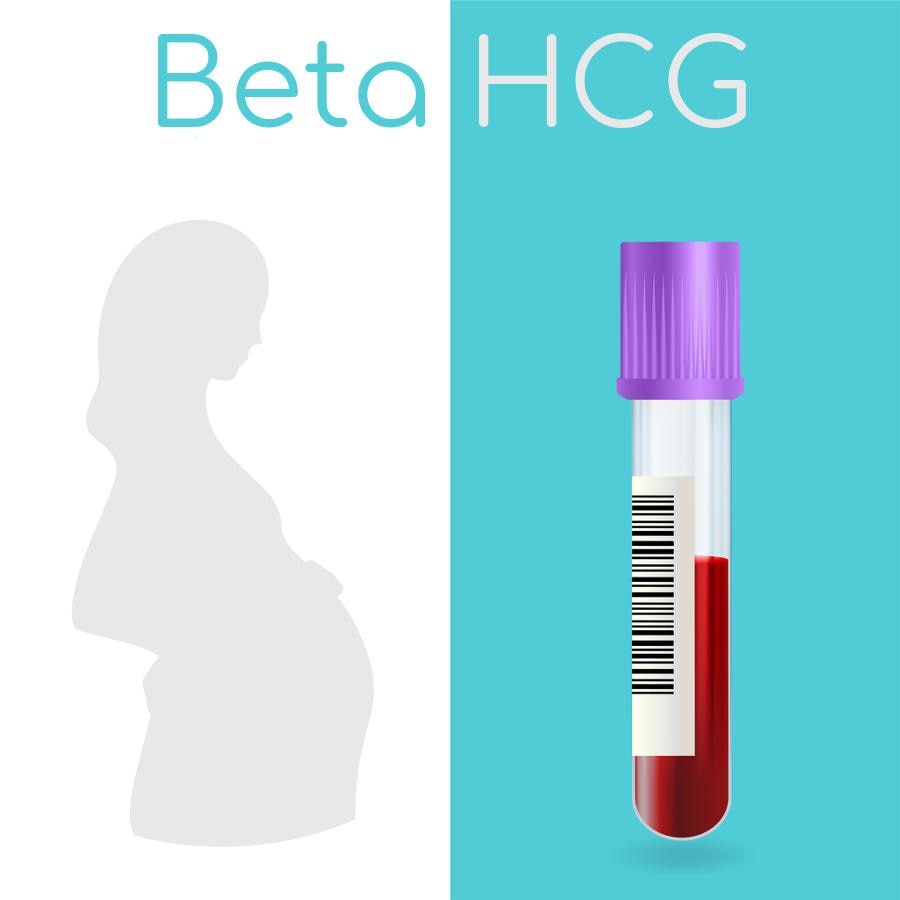
TheHCG It is VERY important after a cycle for the following reason: HCG (or human chorionic gonadotropin) is a hormone typically found in women and is typically present in pregnant women. Taking exogenous HCG causes the brain to perceive an imbalance (in men) toward female hormones, and to compensate, it directly and effectively stimulates the testicles’ natural production of testosterone. Exogenous HCG in men has no side effects other than stimulating testosterone. At the end of a cycle, consistent HCG intake can literally reset our male hormonal system.
The amount of HCG to be taken depends on many factors, but mainly on how much your plasma testosterone level drops, as detected by constant monitoring of blood tests.
Medications such as Nolvadex and Clomid They, too, play their own role. The Nolvadex (or tamoxifen) At the hypothalamic level, it binds to the same receptors involved in aromatization (the conversion of testosterone into estrogen), which consequently leads to the production of hormones such as LH and FSH, which are precursors to testosterone. In addition, Nolvadex increases the density and quality of seminal fluid, which is significantly reduced and weakened during a cycle. (source: Wikipedia)
Clomiphene (Clomid) works in a very similar way and is a drug that is commonly used in medicine to treat both female and male infertility.
Avoid using natural products such as Testosterone Boosters or similar items, as you will only be wasting your money.
A steroid cycle, however, doesn’t just cause hormonal changes: there’s a real possibility that your blood pressure will rise, your red blood cell count will increase, your cholesterol will go up, and many other values won’t be quite right. Once you come off the cycle, these levels tend to return to normal, but it’s a good idea to monitor them and support them with a healthy, balanced diet—even more so now than when you were on the cycle. If you have serious blood pressure issues, it’s best to consult your doctor about temporarily taking specific medications. In general, medications such as TELMISARTAN They are very helpful in regulating the cardiovascular system and, consequently, the kidneys and liver as well. If your menstrual cycle has also caused high blood sugar levels, it’s not a bad idea to use medications such as METFORMIN to bring the levels back to normal. Telmisartan and metformin should ALSO be used during your period to prevent these problems.
Recovery Duration Factors
The duration varies from person to person, from cycle to cycle, and from historical moment to historical moment, even for the same person. Only by monitoring your levels with blood tests will you know when your hormones have returned to normal and when your health is “in the clear.” We do not recommend starting another cycle before all your values are back to normal naturally.
IF YOU NEED GUIDANCE ON PCT MEDICATIONS CONTACT US PRIVATELY HERE