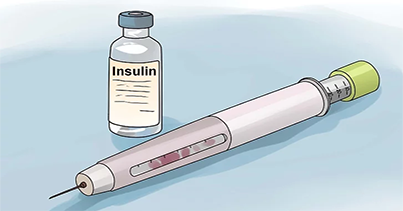
The use of insulin and growth hormone in bodybuilding appears frequently at both competitive and amateur levels now. These practices remain very advanced and potentially dangerous, so do not attempt them on your own unless you are an experienced bodybuilder or are under the supervision of a specialized sports physician.
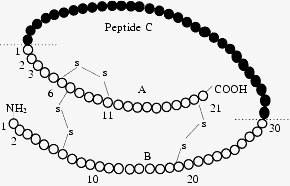
Understanding insulin and growth hormone
Insulin is a hormone produced by the pancreas that acts as a storage regulator. When blood glucose levels rise, the pancreas secretes insulin to bind with glucose and store it where needed, or as fat otherwise. Glucose serves as a primary carrier for blood nutrients. Transporting and storing glucose moves the specific compounds bound to it.
Insulin acts indirectly as an agonist with growth hormone. When insulin drops, the body secretes more growth hormone. When growth hormone drops, the body secretes more insulin. Growth hormone is responsible for cell duplication and the production of IGF1, which is a peptide hormone necessary for muscle growth.
Why athletes combine insulin and growth hormone
The underlying mechanism deserves a detailed look. Athletes inject exogenous human growth hormone (HGH) to stimulate massive physical development and increase muscle mass. Higher external doses of this substance cause the body to produce less natural insulin, as these act as agonist hormones. Elevated blood sugar creates a direct risk of diabetes. High glucose levels also prevent the storage of essential nutrients required for building mass (the classic eat big to get big rule). Over time, the metabolism becomes completely desensitized to the administered HGH. This desensitization eventually leaves the user with severe side effects rather than larger muscles. These biological reactions matter specifically for the target demographic. We are discussing competitive bodybuilders who consume dozens of units per day.
Taking exogenous insulin solves this theoretically by providing high levels of nutrients in the blood alongside high levels of growth hormone and insulin, storing nutrients where they are needed and transporting growth hormone to its receptors.
Risks of combined use
Growth hormone and insulin work together as a powerful combination for growth when used scientifically. Unfortunately, they also carry severe risks. Insulin is a powerful hormone, and even a few drops can lead to hypoglycemic episodes due to a lack of nutrients and glucose in the blood, which can prove lethal.
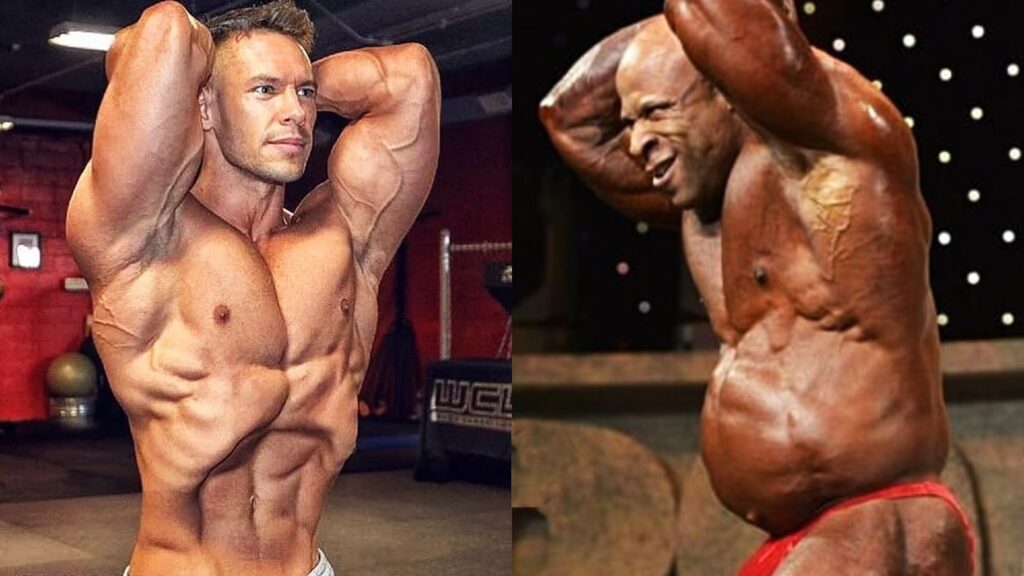
Prolonged insulin use causes severe insulin resistance. Combining it with growth hormone leads directly to diabetes. Incorrect insulin and growth hormone in bodybuilding use, especially when combined with hormones, creates a severe risk of tissue growth affecting aesthetic muscles alongside internal organs like the heart, which causes the condition called distended abdomen where fit athletes appear pregnant.
Match intake to diet. Unbalanced intake creates a substantial risk of weight gain because insulin stores fat.
Final safety considerations
Top bodybuilders have used insulin and growth hormone together during the off-season to grow, but these practices remain difficult to manage and potentially very dangerous.