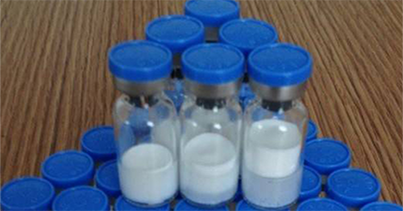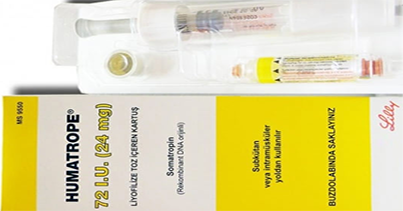

Many Italian men face a gradual drop in testosterone levels after age forty that affects their daily energy and overall vitality. Fatigue and muscle loss follow. In 2026, testosterone replacement therapy in italy stands as a medical option for those with a confirmed hormone deficiency. Updated guidelines bring greater safety rules than before. Financial variables matter. This guide explains the requirements, costs, and alternatives currently available in Europe for patients seeking clear medical information on hormone care.
The Role of TRT in Italian Healthcare Systems
Doctors prescribe testosterone replacement therapy in italy only when symptoms of hypogonadism appear alongside repeated laboratory tests. Health authorities updated protocols to improve cardiovascular safety over recent years. Rising diagnosis numbers helped many patients receive personalized care. The treatment stays unrecommended for simple age-related drops without disabling symptoms because mild hormonal shifts respond better to lifestyle changes and natural recovery methods. Physicians evaluate lifestyle factors prior to approving any intervention. TRT gained higher trust among Italian specialists through modern formulations and recent studies that highlight improved patient safety and better symptom management.


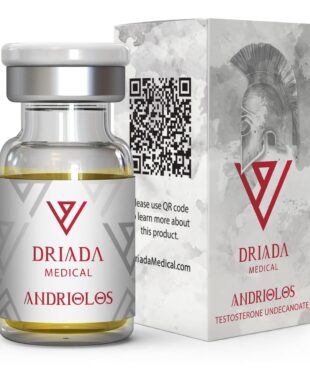
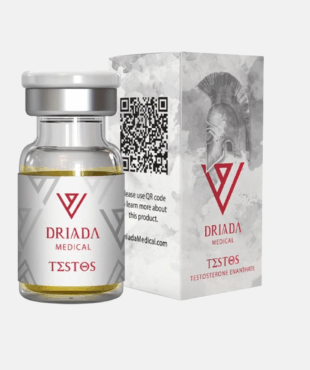
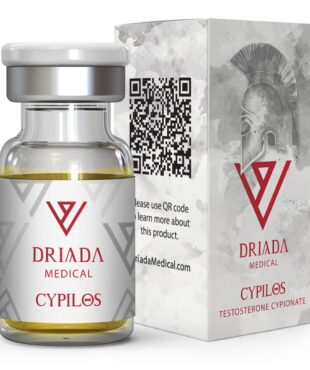

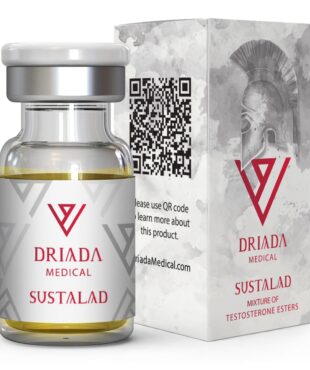

- 1
- 2
Medical Rules for Treatment Eligibility
Starting testosterone replacement therapy takes at least two morning measurements under 12 nmol/L paired with clear clinical symptoms. Patients with prostate problems or abnormal blood test results face exclusion because safety guidelines require clean lab values before any hormone intervention begins. Primary hypogonadism cases usually get approved faster than secondary ones. Men holding borderline values must show a real impact on daily quality of life. Physicians order specific lab work. These evaluations cover PSA, complete blood counts, and lipid profiles. Only people meeting all criteria get an official prescription. This precautionary practice cuts the risks of inappropriate use.
Diagnostic and Prescribing Steps in Europe
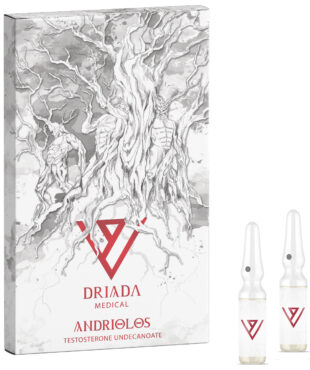
Getting a diagnosis for testosterone replacement therapy starts with a consultation alongside an endocrinologist or andrologist. The doctor orders repeated laboratory tests and reviews medical history details. The National Health Service funds partial reimbursement in many regions once the treatment plan wins approval. Some compounded medications stay completely on the patient. Patients return regularly for monitoring. Checkups happen every three to six months to track parameters during treatment and catch any potential side effects before they become serious problems. Regular follow-ups permit timely dosage adjustments. Specialists prefer long-acting injections because (as clinical experience shows) they help patients stick to the prescribed therapeutic plan.
Cost Breakdown and Reimbursement Choices
Prices for testosterone replacement therapy depend on the chosen formulation and region of residence. Private patients pay directly. Injections cost 80 to 160 euros. Transdermal gels demand monthly out-of-pocket expenses running from 45 to 75 euros. Visits add 250 to 450 euros. National Health Service coverage upon certified diagnosis helps many patients drop overall expenses. Regional differences stay marked across Italy. Check with local health authorities.
Clinical Benefits and Side Effects
Benefits of testosterone replacement therapy include improved daily energy levels, mood, and bone density for eligible patients. Many users report restored sexual function and muscle strength after months of treatment. Medical monitoring stays active. Potential side effects like higher hematocrit or skin problems demand constant attention. Studies confirm safe profiles. Fertility can experience temporary changes during treatment courses. Future family planning requires medical input. Men wanting children discuss fertility.
Alternatives to Traditional TRT Methods
Alternative options replace hormone treatment when it fails to fit patient needs. Resistance training and better sleep quality raise natural levels in many cases. Certain medications stimulate natural hormone production. Doctors prescribe stimulatory medications like clomiphene to prompt endogenous testosterone production. Gonadotropins preserve fertility. Results vary greatly. Targeted supplements like vitamin D offer support without replacing medical therapy. Individual needs require expert guidance. Specialist consultations help identify the right approach.
Testosterone replacement therapy works as an option for hypogonadism when doctors administer it consistently. Consulting a qualified specialist helps manage benefits and risks. Regulations taking effect in 2026 make safe treatments available for those with genuine clinical needs. Accurate information forms the basis for informed well-being.