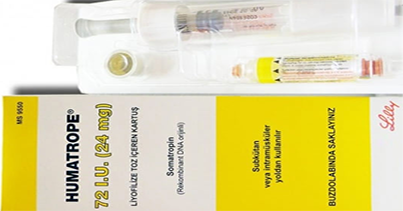
When approaching the world of growth hormone—whether for therapeutic purposes or specific protocols—one of the first major technical decisions concerns the form of the active ingredient. A thorough understanding of the difference between liquid somatropin and neofilized powder (correct technical term: freeze-dried) is not merely a matter of personal preference. This decision affects storage. It also influences molecular stability.

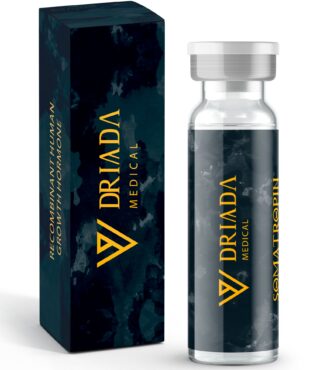
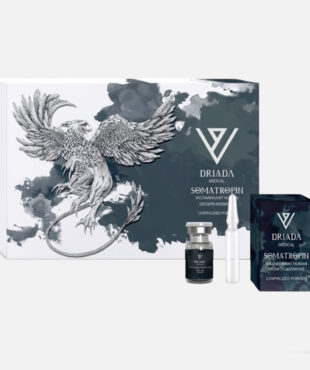
Preparation methods differ. Storage routines also vary. Let’s take a closer look at the characteristics of both options to determine which one is the best fit for your daily management needs.
Freeze-dried somatropin powder properties
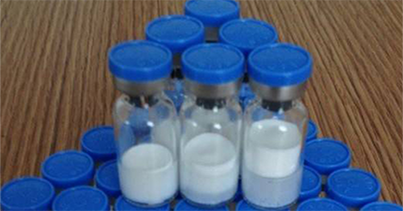
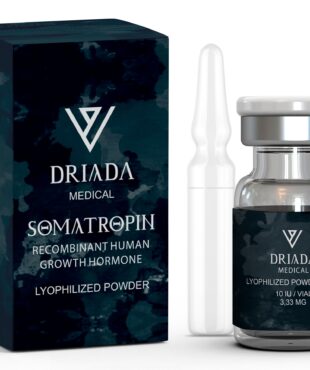
The powder formulation (often searched for by users as neophilized powder) represents the standard pharmaceutical industry format for growth hormone. The freeze-drying process involves removing water from the protein preparation by freezing it and then sublimating it under vacuum conditions. This process creates a disc or a compact powder inside the vial.
The main advantage of this solution lies in its thermal stability prior to reconstitution. As long as the powder remains intact and sealed, it is much more resistant to temperature fluctuations than its already diluted counterpart. Although refrigeration (between 2°C and 8°C) is always the gold standard for preserving maximum integrity over the long term, a brief period at room temperature during shipping is unlikely to cause irreversible degradation of the molecule.
Manual preparation requires replenishment before use. Users mix the active ingredient with bacteriostatic water or sterile saline solution. This procedure requires cleanliness and a steady hand, avoiding violent vial shaking because the somatropin protein structure is fragile and vigorous movement damages peptide chains.
Liquid somatropin benefits and challenges
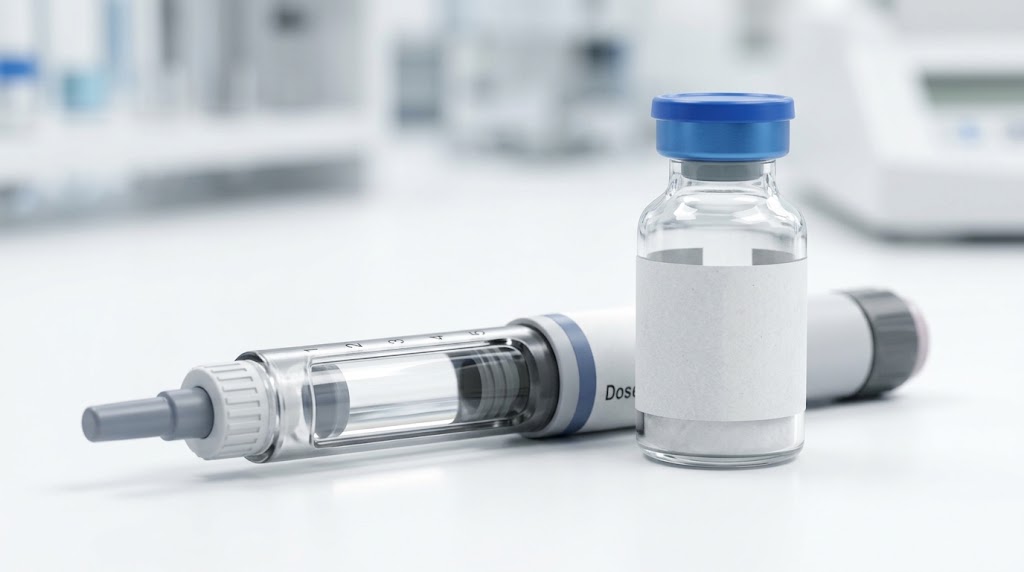
In recent years, the pharmaceutical market has been strongly pushing for solutions ready-to-use. Liquid somatropin, often sold in convenient pre-filled pens (similar to those used for insulin), offers a level of unmatched practicality.
The patient or user is spared the hassle of reconstitution. There is no need for complex calculations regarding the ratio of water to powder, there is no risk of bacterial contamination during manual mixing, and dosages can be selected with pinpoint accuracy simply by turning the pen’s dial.
Despite this extreme convenience, the liquid version has one undeniable drawback: the cold chain management. Aqueous solutions stay vulnerable. Temperature changes threaten the protein. Liquid somatropin must under no circumstances be subjected to prolonged temperature fluctuations or, worse still, freezing. Prolonged exposure to temperatures above 8°C or below 2°C risks irreversibly denaturing the protein, rendering the product ineffective and wasting a financial investment that, as is well known, is usually considerable.
Format selection guide
To summarize the difference between liquid somatropin and neofilized powder To help you make an informed choice, we can narrow down the comparison to three key decision-making factors:
- Logistics and Transportation: If you travel frequently and have trouble maintaining an unbroken cold chain (for example, during long flights), freeze-dried powder (that has not yet been mixed) offers a significantly greater margin of safety.
- Comfort and Precision: If your priorities are speed of administration, no preparation required, and mathematically precise dosing, pre-filled liquid pens represent the state of the art in convenience.
- Shelf life after opening: Reconstituted powder mixed with bacteriostatic water lasts 14 to 21 days in the refrigerator. Industrially premixed liquid solutions last up to 28 days in the refrigerator after first use thanks to preservatives.
Safety and administration rules
Follow protocols. Cleaning injection sites, using sterile single-use needles, and maintaining storage temperatures are non-negotiable requirements.
Neither format proves superior in all scenarios. Choosing between liquid and freeze-dried somatropin depends on your lifestyle, willingness to handle reconstitution, and cold storage capabilities. Results match.