
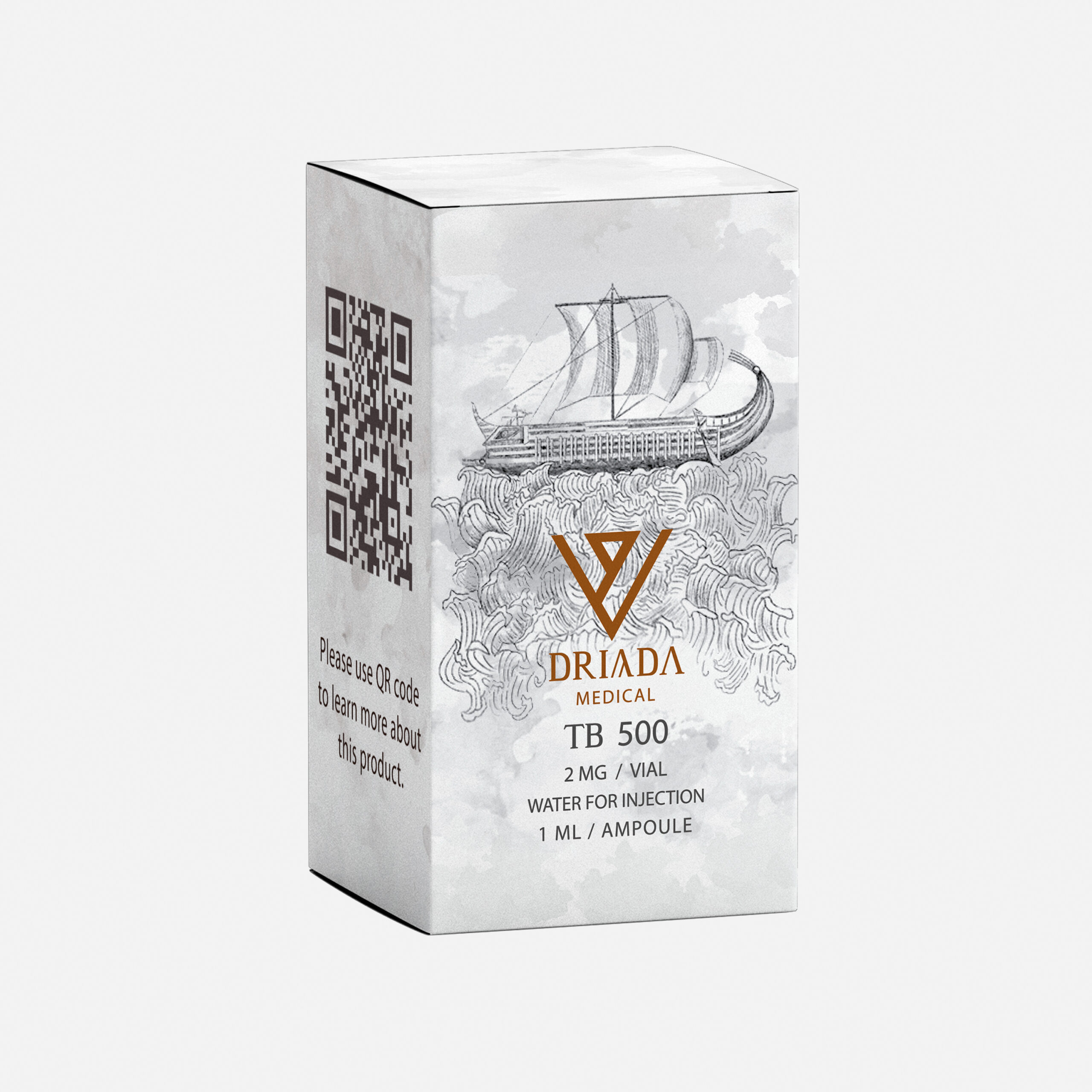
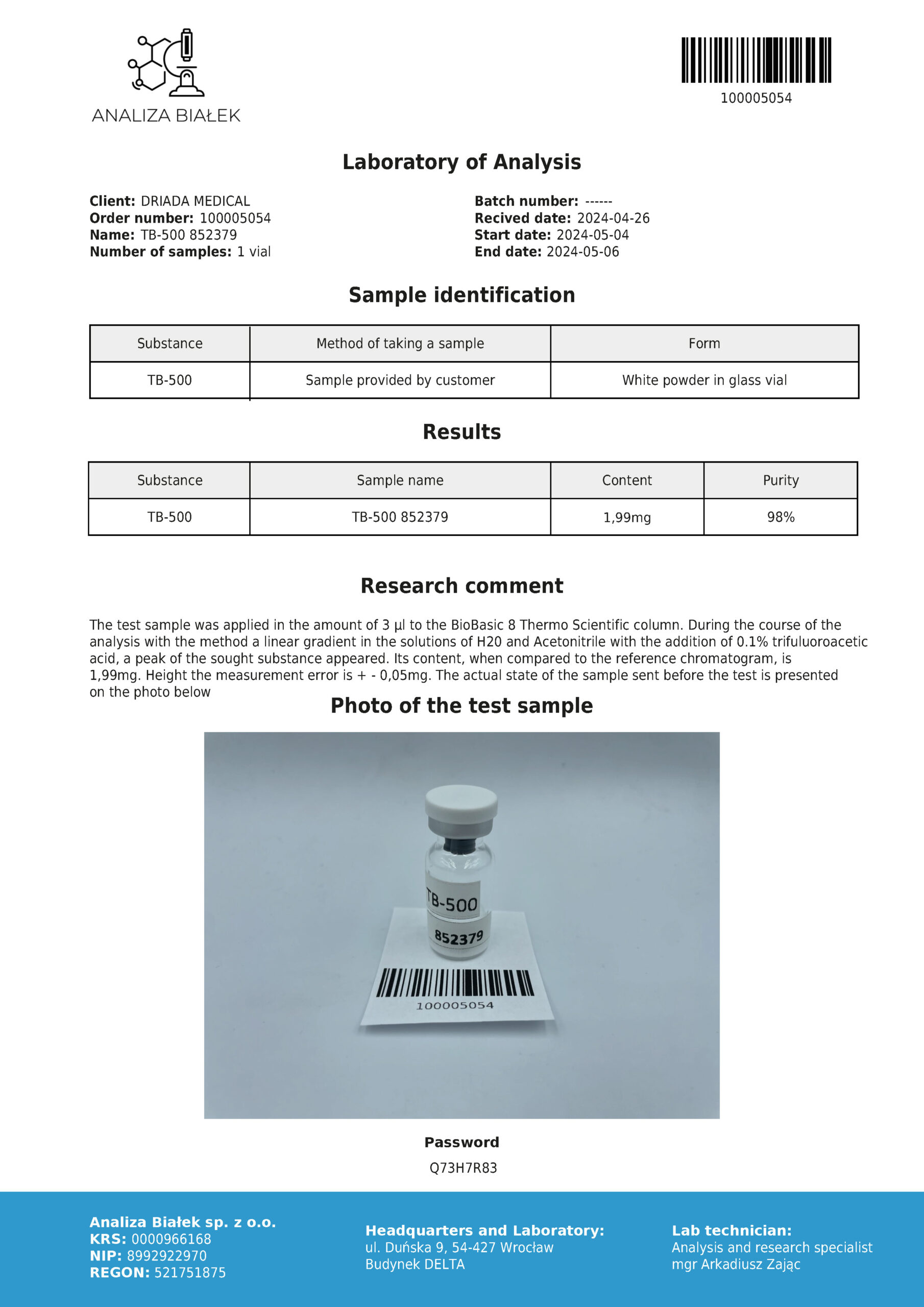
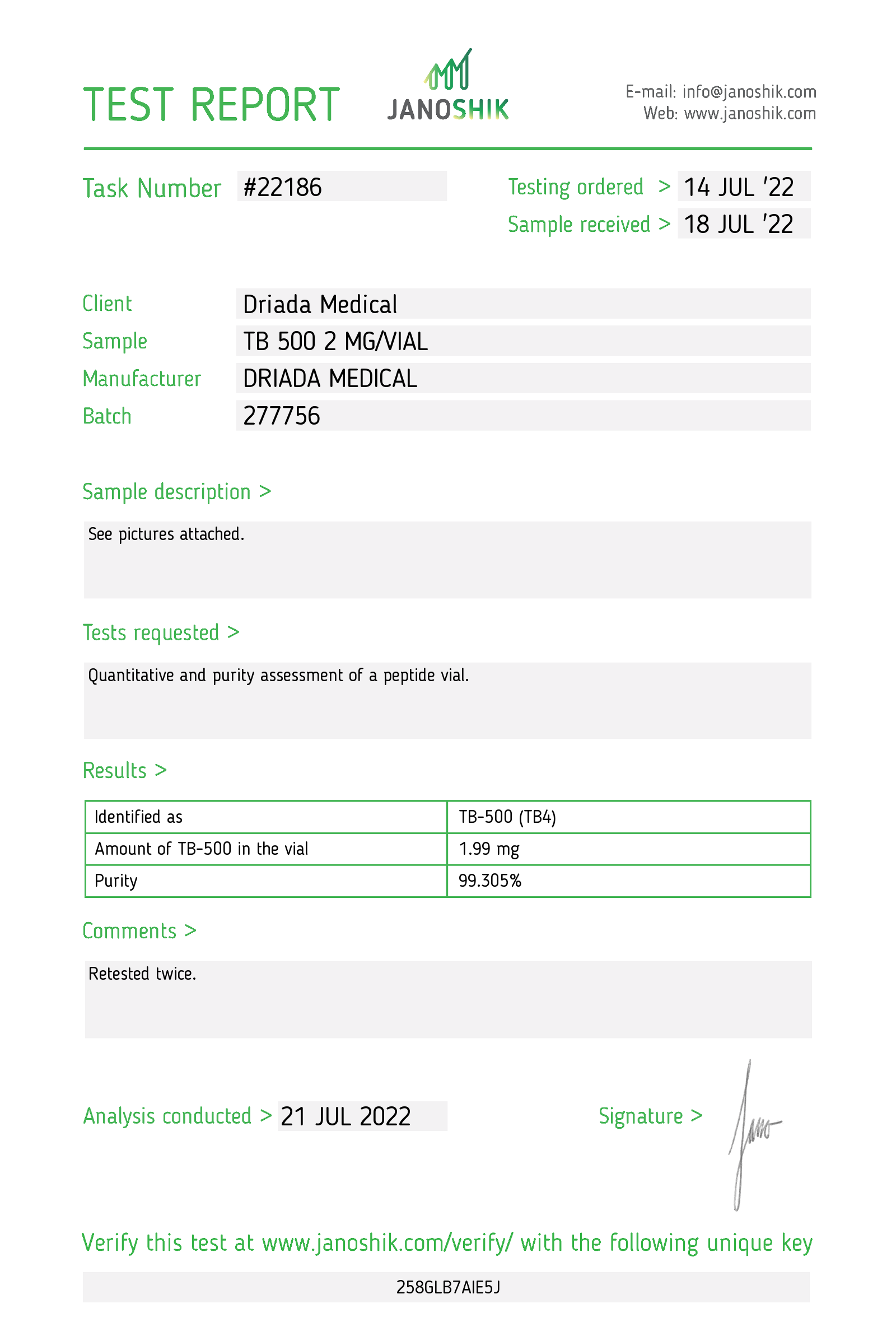
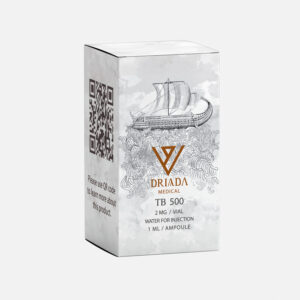
TB500 2mg – Healing and Recovery Peptide
TB500 Peptide Recovery Profile
A peptide built for muscle recovery and minor tissue repair
- Spedizione (se il prodotto è in stock): 3 giorni lavorativi di processing e dai 5 ai 20 giorni lavorativi di spedizione
- Spese di Processing e spedizione: 27€ in tutta Italia
Peptide background
The thymosins are small proteins found in many animal tissues. Researchers found them in the thymus. Some thymosins, specifically Thymosin α1 and Thymosin β4, draw attention for medical uses, and certain applications have reached clinical trials.
TB500 is a short peptide fragment related to Timosin Beta 4. Sellers market it as the exact molecule. However, is not identical to complete Thymosin Beta 4. Childhood brings peak activity from the thymus gland. Local cells produce Thymosin Beta 4 alongside it. Wound secretions hold high concentrations. Cellular compartments store it similarly. Cell movement increases during lab tests. Thymosin Beta 4 supports tissue repair through this mechanism alongside inflammation modification.
The sequence of TB500 matches the functionally active region of beta-4-thymosin. Production remains simple and cheap. It shares many properties with the parent protein. Because of this, TB500 links to recovery support after tissue stress and injuries, holding strong interest in sports circles for post-workout care.
Core biological actions
Among the thymosins, the Timosin Beta 4 It is one of the most abundant and widely studied. It functions as a peptide capable of binding to the actin, an interaction that alters actin polymerization and directs the cell migration necessary for angiogenesis and tissue regeneration. In several experimental models, Thymosin Beta 4 has also been associated with properties cardioprotective, potential support for angiogenesis under ischemic conditions, and cellular mechanisms related to survival in response to stress.
Researchers observe effects on these specific areas:
- Damaged tissue repair and inflammation shifts
- Blood vessel formation and tissue regeneration
- Cell movement and growth during recovery
Soft tissue healing
Cells such as platelets and macrophages release Thymosin Beta 4 after injury. This limits further damage and supports repair processes. It has been linked to:
-
Cell death reduction and lower inflammation levels
- Support for cell migration and new blood vessel growth
- Fibrosis reduction through myofibroblast control
In this context, TB500 It is often cited as an experimental model for injuries to muscles, tendons, and ligaments, especially when inflammation and slow recovery are an issue. It is also mentioned for its potential role in reducing adhesions and tissue stiffness that can limit mobility.
Medical applications
In ophthalmology, thymosin beta-4 and related peptides have been studied for conditions such as dry eye and neurotrophic keratopathy, with results that, in some cases, showed improvements in symptoms and corneal healing.
Cardiovascular and neural studies
Preclinical trials test Thymosin Beta 4 for specific targets:
- Heart muscle remodeling after ischemic events
- Myocardial blood vessel growth and scar reduction
-
Neural protection and stroke recovery models
Clinical trial data on Thymosin Beta 4 cover multiple protocols, though final conclusions depend on the exact formulation and medical target.
Hair follicle research
In animal models, a role for Thymosin Beta 4 in hair follicle biology has been hypothesized, with a possible influence on cell migration and differentiation, as well as on hair growth cycles. Numerous anecdotal accounts are circulating online; however, these do not replace solid clinical evidence.
Summary of observations
- Muscle, tendon, ligament, and skin recovery support
- Anti-inflammatory action in laboratory settings
-
Angiogenesis and tissue repair promotion
- Preclinical interest in skin, cornea, heart, and brain tissue
Possible side effects
- Injection site redness and pain when administered subcutaneously
Solution preparation steps
Steps for reconstituting lyophilized powder:
- Inject the diluent so it runs along the wall of the glass vial rather than hitting the powder directly.
- Swirl gently until dissolved without shaking the vial.
- Check that the mixed solution appears completely clear.
Do not mix different peptides in the same syringe because degradation risks rise.
Storage guidelines
Store mixed solutions in a refrigerator at 2–8°C. The mixture lasts about 21 days, or longer if bacteriostatic water is used according to product instructions.
You must be logged in to post a review.
Related products
-
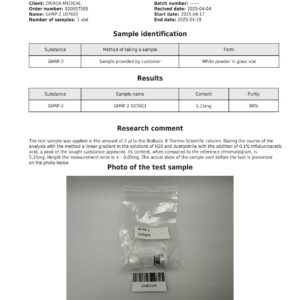
GHRP-2 5mg – GH-releasing peptide
Original price was: 29 €.25 €Current price is: 25 €. -
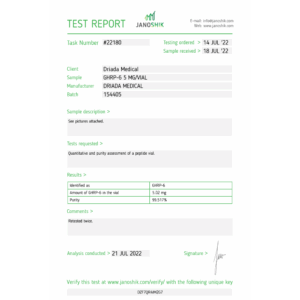
GHRP-6 5mg – GH-releasing peptide
Original price was: 29 €.25 €Current price is: 25 €. -
CJC1295 with DAC 2mg – GH Peptide
Original price was: 36 €.32 €Current price is: 32 €. -
Boldelad 250 mg/ml (Boldenone Undecylenate-EQ)
Original price was: 45 €.41 €Current price is: 41 €. -
Dinabolyn 10 mg (Methandrostenolone) – Dbol – Dianabol
Original price was: 32 €.28 €Current price is: 28 €.




Reviews
There are no reviews yet.